Contact Us Menu

Overcome the pain of bunions with a bunionectomy

Bunions, those bony protrusions at the base of your big toe, are both a cosmetic and medical concern. While they are known for being unsightly, they can also lead to discomfort, pain, and mobility issues. Patients who are seeking a way to alleviate these symptoms and regain their active lifestyle can rely on a bunionectomy, or bunion removal surgery, for relief. 

Through bunion removal surgery, Dr. Bernstein has helped countless patients enjoy a higher quality of life. 

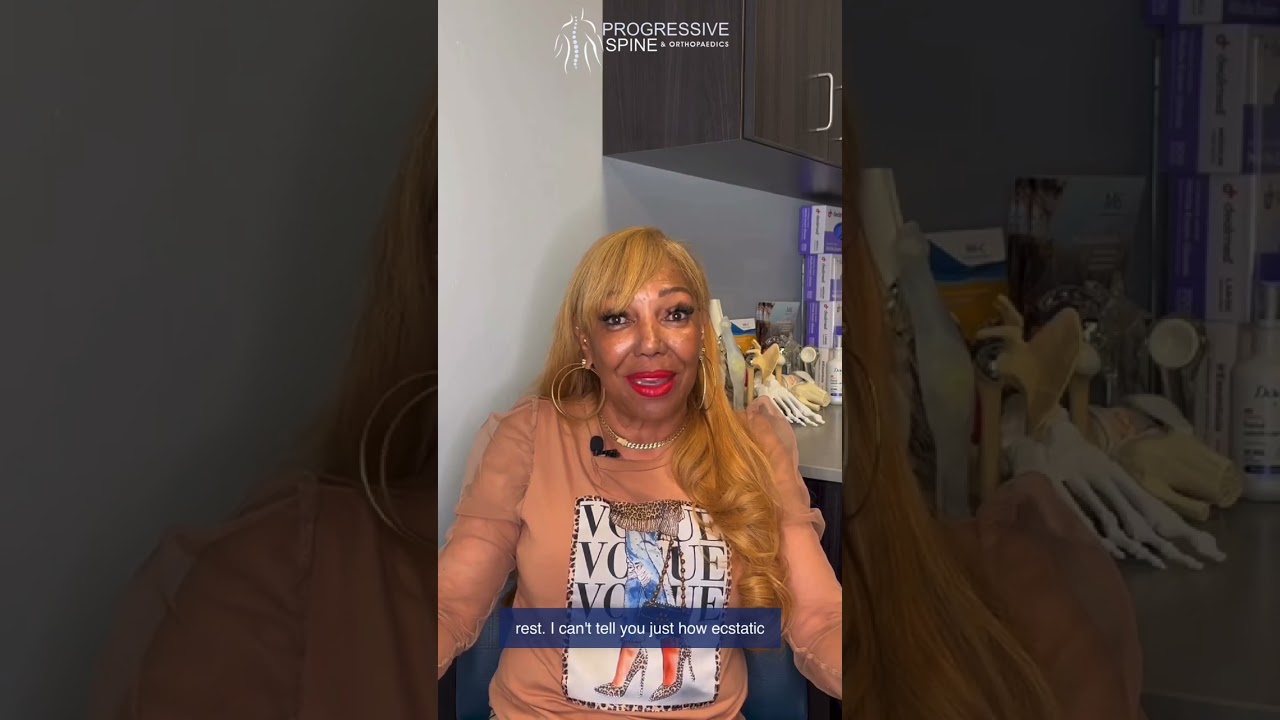
Bunionectomy Patient Testimonials

Bunionectomy Patient

Bunionectomy Surgery with Dr. Kang - Patient Testimonial

Bunionectomy Patient

Bunionectomy Surgery with Dr. Kang: Linda


Check Out This Minimally Invasive Prodcedure

Bunion Procedure

Got Bunions? This Prodcedure Can Fix Them

Bunion Procedure

What are bunions?

Bunions are bony lumps that develop at the base of the big toe, causing the joint to push outward. They are often the result of various factors, including:

  • Hereditary factors: Genetics can play a significant role in bunion development. If bunions run in your family, you may be more prone to them.
  • Improper footwear: Wearing tight, narrow, or high-heeled shoes can force the toes into unnatural positions, contributing to the formation of bunions.
  • Medical conditions: Certain conditions like arthritis can increase the risk of bunion development.
  • Biomechanical issues: Foot problems, such as flat feet or low arches, can alter the mechanics of the foot, increasing the risk of bunions.
Progressive Spine & Orthopaedics Progressive Spine & Orthopaedics

What is a Bunionectomy?

A bunionectomy, or bunion removal surgery, is a medical procedure designed to correct bunions by repositioning the displaced bone and realigning the joint. This surgical intervention helps to alleviate pain, improve foot function, and restore the normal appearance of the big toe. Dr. Bernstein employs various techniques to treat this condition, and the choice usually depends on the severity of the bunion and the patient's specific needs.

What are the benefits of a Bunionectomy?

  • Relief from pain and discomfort caused by bunions, allowing you to move without limitations
  • Enhances your mobility and enables you to engage in activities without experiencing pain
  • Restores the natural alignment of the big toe, improving the cosmetic appearance of the foot
  • Prevents the development of other foot conditions, such as hammertoes and bursitis

Who is a candidate for a Bunionectomy?

You might be a candidate for bunion removal if you experience:

  • Persistent pain, swelling, or redness around the bunion
  • Difficulty walking or fitting into regular shoes
  • Conservative treatments, like orthotics or changes in footwear, have not provided relief
  • A visible deformity and a significant impact on your quality of life

During the consultation with Dr. Bernstein, he will be able to determine your candidacy for bunionectomy and discuss the details of the procedure with you. 

Recovery process after bunion removal

The recovery period following a bunionectomy varies depending on the specifics of the procedure and individual factors. Some of the common aspects include:

  • Dressing and bandages: The foot is usually bandaged and dressed immediately after surgery to protect the incision and promote a healthy healing process.
  • Walking aids: Patients may need crutches or a special surgical shoe to help them walk and avoid putting too much pressure on the foot.
  • Physical therapy: For some patients, physical therapy may be recommended to help them get through the rehabilitation process and regain their strength and mobility.
  • Swelling and discomfort: Some swelling, bruising, and discomfort are normal in the initial stages of recovery but should gradually subside.
  • Return to activity: The time it takes to return to regular activities, including wearing normal shoes, can range from several weeks to several months, depending on the procedure and individual healing.

Are there any risks?

Like any surgical procedure, bunionectomy carries some inherent risks, which may include:

  • Infection at the surgical site
  • Delayed wound healing
  • Recurrence of the bunion
  • Nerve damage
  • Joint stiffness or restricted motion

These risks are typically minimized when the surgery is performed by a highly skilled and experienced orthopedic surgeon. Dr. Bernstein takes every precaution when carrying out your treatment, ensuring a positive outcome with minimal risk of side effects. 

Progressive Spine & Orthopaedics Progressive Spine & Orthopaedics Progressive Spine & Orthopaedics

Why Choose Dr. Bernstein?

Dr. Bernstein, a trusted figure in orthopedic surgery, is the optimal choice for those seeking bunionectomy and comprehensive foot and ankle solutions. Patients from all over New Jersey and beyond choose him for his wealth of experience, personalized approach to every patient, cutting-edge techniques, and wide variety of orthopedic services. With Dr. Bernstein’s commitment to individualized care, a bunionectomy becomes a pathway to regaining pain-free mobility and restoring your quality of life. 

Reach out to our office today to set up a private consultation and learn more about our bunion removal procedures. 

Read More About Dr. Bernstein

Progressive Spine & Orthopaedics

Bunionectomy FAQ

How long will I need to stay off my feet after bunionectomy surgery?

Most patients need to avoid putting weight on the surgical foot for two to six weeks, depending on the specific procedure performed. Dr. Bernstein will provide personalized weight-bearing instructions based on your individual case.

Can bunions grow back after surgery?

While rare when performed by an experienced surgeon, bunions can potentially recur if the underlying biomechanical issues are not addressed. Wearing proper footwear and following post-operative instructions significantly reduces the risk of recurrence.

Will I be able to wear heels or narrow shoes after bunionectomy recovery?

Most patients can return to wearing a variety of shoe styles once fully healed, though Dr. Bernstein typically recommends avoiding extremely narrow or high-heeled shoes. Proper footwear choices help maintain surgical results and prevent future foot problems.

How much pain should I expect during bunionectomy recovery?

Pain levels are typically manageable with prescribed medications and tend to decrease significantly after the first week. Elevating your foot and following ice therapy guidelines helps minimize discomfort throughout the healing process.

Is bunionectomy covered by insurance?

Most insurance plans cover bunionectomy when the condition causes pain, limits mobility, or interferes with daily activities. Progressive Spine & Orthopaedics offers free insurance verification to help you understand your coverage before scheduling surgery.

At what age is it too late to have bunion surgery?

There is no specific age limit for bunionectomy, as candidacy depends on overall health rather than age alone. Dr. Bernstein evaluates each patient individually to determine if surgery is safe and beneficial for their situation.

Can I drive myself home after bunionectomy surgery?

You will need someone to drive you home after surgery and should not drive until Dr. Bernstein clears you, which typically takes several weeks. Driving before receiving clearance can be dangerous and may compromise your surgical results.

What happens if I don't treat my bunion?

Untreated bunions typically worsen over time and can lead to additional foot problems such as hammertoes, bursitis, and chronic pain. Early treatment often provides better outcomes and may allow for less invasive correction options.

If you are suffering from back or neck pain, it is crucial for you to receive a professional diagnosis as soon as possible. Dr. Rovner is one of the best spine surgeons in NJ who has the experience and expertise necessary to help patients actualize successful outcomes with orthopedic spine surgery.

© Progressive Spine & Orthopaedics. All Rights Reserved.
Digital Marketing & Design by Studio 3 Marketing®

Privacy Policy

Accessibility: If you are vision-impaired or have some other impairment covered by the Americans with Disabilities Act or a similar law, and you wish to discuss potential accommodations related to using this website, please contact our Accessibility Manager at 201.690.1381.
Contact Us